Với đội ngũ luật sư chuyên nghiệp , trình độ chuyên môn cao. HTC VIỆT NAM chắc chắn sẽ làm quí khách hài lòng với các dịch vụ tư vấn luật hôn nhân gia đình. Liên hệ 0989 386 729 để nhận được sự hỗ trợ tốt nhất

After getting married, many couples are supported by their parents with money to buy houses and land. However, when a conflict or divorce arises, the common question is whether the house and land are privately owned by the person who is given money by the parents or is still determined to be the common property of the husband and wife. In particular, if the certificate is in the name of only one person, does the other person have the right to request the division of the property? According to the 2014 Law on Marriage and Family, houses and land purchased during the marriage period can be separate property or common property, depending on the source of money, the will of the parents, the agreement between the husband and wife, and evidence. Therefore, it is not possible to conclude ownership of the house and land based on the fact that the parents are the ones who gave the money or the certificate in whose name it is.

After the divorce, if the person who is directly raising the child no longer ensures the conditions for care and nurturing or the child's circumstances change, the father or mother can ask for a change of the person who directly raises the child. However, wanting to take the child for adoption or thinking that he or she has better economic conditions does not mean that the Court will accept the receive requests. So if you want to change the person who directly raises the child after divorce, what conditions do you need to meet, what evidence needs to be prepared and when will the Court accept it? According to Article 84 of the Law on Marriage and Family 2014, the change of the person who directly raises the child can be resolved when the parent has an agreement suitable to the interests of the child or the person who is directly raising the child is no longer eligible to directly look after, care for and nurture, educate their children. The settlement must consider the aspirations of the child from full 07 years old or older. These are important grounds to determine before carrying out procedures at the Court.
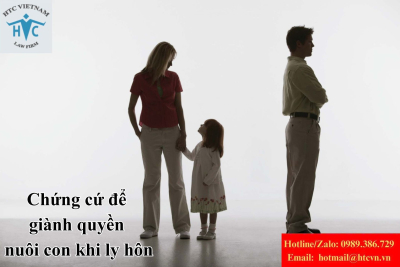
When divorced, if the husband and wife cannot agree on the person who directly raises the child, the Court will decide based on the interests of the child in all aspects. Therefore, if you want to be assigned to directly raise your child, you need to prepare evidence that you have the right conditions to care, nurture and educate your child, and at the same time ensure stability in the child's life. So if you want to win custody of a child when divorced, what evidence do you need to prepare, how to prove the conditions for child custody to protect your rights and those of your children? According to Clause 2, Article 81 of the Law on Marriage and Family 2014, if the parents cannot reach an agreement on the person who directly raises the child, the Court shall decide to assign the child to one party based on the child's interests in all aspects; if the child is full 07 years old or older, the Court must consider the child's wishes. Therefore, the preparation of evidence should focus on the actual care conditions and interests of the child, not only based on the income level or wishes of the parents.
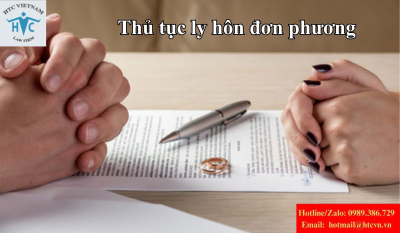
When a marriage has serious conflicts, one party wants a divorce but the other party does not agree, the termination of the marriage relationship often faces many difficulties. There are cases where the spouse does not sign the application, does not cooperate in the settlement or is deliberately absent when the Court summons. So is it possible to get a unilateral divorce when the spouse does not agree, what documents need to be prepared and what are the procedures? According to Articles 51 and 56 of the Law on Marriage and Family 2014, the spouse has the right to request the Court to settle the divorce according to regulations. The fact that the other person does not agree does not mean that the requester is definitely not able to divorce. However, in order to be accepted by the Court, the requester needs to meet the legal conditions and provide grounds to prove the marital status as prescribed.

During the divorce process, common property disputes often become complicated when one party deliberately fails to fully declare assets, transfer money to another account, act in the name of the property through relatives or make transactions before the Court settles the case. At that time, "not knowing where the property is" does not mean that the other person loses the right to his or her common property. It is important to identify the right assets and the origin of the assets and have an appropriate plan to collect evidence to protect legitimate interests.

In married life, the distinction between common property and separate property seems simple, but in fact it is the cause of many disputes, especially when the husband and wife divorce, one party transfers the property or incurs financial obligations with a third person. There are many cases where the property originated before marriage but was used together during the marriage period, or the property was donated or inherited but the papers did not clearly show the ownership. Properly understanding the regulations on common property and separate property from the beginning will help husband and wife limit disputes and better protect their legitimate rights and interests.

In divorce cases, child custody disputes are often the most concerning and difficult for parents to agree on. Many people think that as long as they have a higher income, have their own house or be a mother, they will definitely be handed over by the Court. However, the law does not define child custody based on only one individual factor but focuses on the interests of the child in all aspects. So what are the factors that are really meaningful when the Court considers the person who directly raises the child and the person who wants to win custody of the child, what preparation should be made to protect his or her rights?
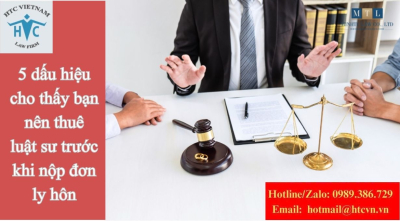
5 Signs You Should Hire a Lawyer Before Filing for Divorce is something that many people often overlook when deciding to end a marriage. In fact, not all divorces are simple. In many cases, disputes arise over child custody, property, joint debts, or one party deliberately prolongs the settlement time, affecting the interests of the other person. If you notice one of the signs below, you should consider seeking a lawyer from the beginning for advice on the right plan, limiting legal risks and best protecting your legal rights and interests.

Can I get a divorce if I lose my marriage certificate? This is a question of many couples when they want to end their marriage relationship but no longer keep the original Marriage Registration Certificate. Will the loss of this document cause the Court to refuse to settle the divorce, or is there still a way to remedy it according to the law? In the article below, let's find out the conditions and procedures for handling the loss of a marriage certificate and important notes so that the divorce process takes place smoothly and in accordance with regulations.
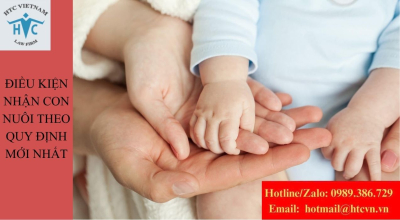
Child adoption conditions according to the latest regulations are an issue that many individuals and families are concerned about when they wish to adopt children as legal children. However, not everyone fully meets the conditions prescribed by law. So what standards do adopters need to meet? What cases are prohibited from adopting? The following article will fully update the conditions for adoption according to the latest regulations, helping you understand the law and avoid errors in the process of carrying out the procedure.

Post-divorce alimony: the rights and obligations of parents are issues that arise in most divorces with common children, but not everyone understands the provisions of the law. Who is obliged to support? How is the alimony level determined? Is it possible to request to change or terminate the alimony obligation? The following article will help you understand important legal regulations, avoid unnecessary disputes and best protect the rights and interests of children after divorce.

Can a high income still lose custody of a child? What does the court really base its decision on? is a problem that surprises many parents when settling a divorce. In fact, the income level is not the only basis for the Court to decide who to directly raise the child. So what are the decisive factors? The following article will analyze the current legal regulations and the criteria that the Court considers when settling a high income that can still lose custody of a child, helping you understand and have a plan to protect your legitimate rights and interests.

Not all divorces take place by consensus. In fact, in many cases, one party deliberately does not sign the application, avoids working with the Court or seeks to prolong the settlement time, causing the other party to face many difficulties. So is divorce possible when one party does not cooperate? What can a lawyer support to protect your legal rights and interests? In this article, HTC Vietnam Law Firm will help you understand the legal regulations, the implementation procedure and the role of lawyers in resolving divorce when one party does not cooperate effectively.
You think that the property in someone's name belongs to that person, believing that all assets are divided 50/50 or ignoring the collection of evidence are mistakes that cause many people to suffer losses when dividing property when divorced. Properly understanding the provisions of Vietnamese law will help you protect your legitimate rights and interests. Join HTC Vietnam Law Firm to learn important notes to avoid loss of rights and have an appropriate handling plan from the beginning. The division of property upon divorce is one of the issues that are prone to disputes and directly affects the rights and interests of husband and wife after the termination of marriage. If they do not understand the provisions of the law or make common mistakes, many people may lose their legal rights. In this article, HTC Vietnam Law Firm will help you identify common mistakes when dividing property upon divorce and guide you on how to protect your rights in accordance with Vietnamese law.

In fact, in many cases, after divorce, one party asks the other party to return the wedding gold, wedding money or assets given on the wedding day with the reason that "the marriage has ended, the wedding gift must also be returned". However, the current law does not automatically allow claiming all wedding gifts after divorce. The determination of whether or not a refund is requested depends on the nature of the property, the donor, the will to donate and whether the property is determined to be common property or separate property of the husband and wife. So wedding gold and wedding money are considered common property or separate property? Do the parents of both parties have the right to claim back the wedding gift given? When divorced, how will the Court handle this property? Let's learn about the relevant laws and regulations with HTC Vietnam Law Firm to protect your legitimate rights and interests
Trang 1/1


 Tiếng Việt